The Modern Corporate Secretary's Technology Stack: Essential Tools for 2026
The role of the Corporate Secretary has evolved dramatically over the past decade, transforming from primarily administrative functions to strategic oversight of governance, compliance, and stakeholder management. In 2026, successful Corporate Secretaries leverage sophisticated technology stacks that automate routine tasks, enhance decision-making capabilities, and ensure seamless compliance across global operations.
This comprehensive guide examines the essential technology tools that comprise a modern Corporate Secretary's digital arsenal, exploring how the right combination of platforms can transform governance operations and elevate the strategic impact of the Corporate Secretary function.
The Foundation: Entity Management Systems
At the core of every Corporate Secretary's technology stack sits a comprehensive entity management system. This foundational platform serves as the single source of truth for all corporate governance data, supporting everything from basic entity administration to complex regulatory compliance.
Critical Entity Management Capabilities
Modern entity management platforms must provide:
- Global Entity Support: Comprehensive coverage of legal entity types across all operating jurisdictions
- Automated Compliance Monitoring: Real-time tracking of regulatory deadlines and requirements
- Document Management Integration: Centralized repository for all governance documentation
- Workflow Automation: Streamlined processes for routine governance tasks
- Reporting and Analytics: Comprehensive reporting capabilities for stakeholders and regulators
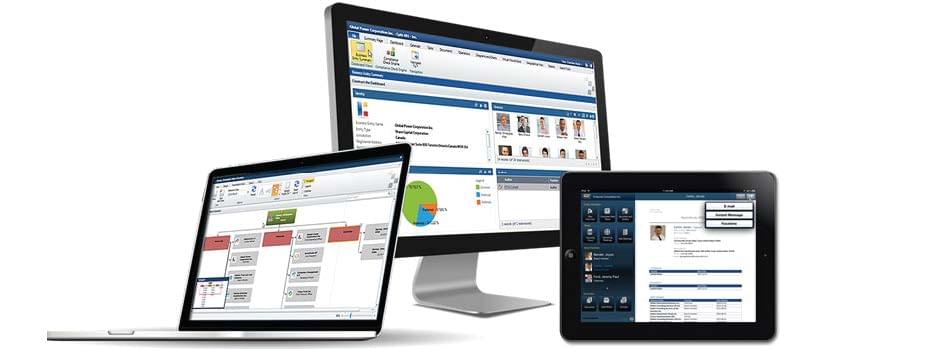
Solutions like EnGlobe exemplify the sophistication required in modern entity management platforms, offering jurisdiction-aware compliance automation, multi-language support for global operations, and SOC 2 Type II security certification to protect sensitive governance data. EnGlobe's integrated approach eliminates the complexity of managing multiple disparate systems by combining entity management with board governance through GlobalBoards in a single unified platform.
The Integration Advantage
While many organizations struggle with integrating separate entity management and board portal systems, unified platforms like EnGlobe with GlobalBoards provide inherent advantages:
- Seamless Data Flow: No data synchronization issues between entity records and board materials
- Single Source of Truth: All governance information maintained in one system
- Unified Security: One security framework protecting all governance data
- Simplified Administration: Single user management and access control system
- Consistent User Experience: Familiar interface across all governance functions
For organizations using separate systems, integration requirements include:
- Document management platforms for governance documentation
- Financial systems for ownership and securities tracking
- Communication tools for stakeholder engagement
Board Management and Governance Tools
Effective board management requires specialized tools that facilitate meeting administration, document distribution, and stakeholder communication while maintaining the highest security standards. The most sophisticated approach combines board portal functionality directly within the entity management system, as exemplified by EnGlobe's integration with GlobalBoards, eliminating the data silos and security risks inherent in managing separate systems.
Board Portal Requirements
Modern board portals must provide:
- Secure Document Distribution: Encrypted access to board materials with granular permissions
- Meeting Management: Automated agenda creation, minute templates, and action item tracking
- Real-Time Collaboration: Annotation tools, discussion threads, and voting capabilities
- Mobile Accessibility: Full functionality across devices with offline capabilities
- Audit Trails: Comprehensive tracking of document access and user activities
Advanced Governance Features
Leading governance platforms incorporate:
- AI-Powered Insights: Automated analysis of governance trends and compliance risks
- ESG Reporting Integration: Built-in environmental, social, and governance reporting capabilities
- Stakeholder Communication: Integrated tools for shareholder and regulatory communication
- Performance Analytics: Board effectiveness measurement and improvement recommendations
Compliance and Regulatory Technology
The complexity of modern regulatory environments demands sophisticated compliance technology that can adapt to changing requirements while maintaining operational efficiency.
Regulatory Intelligence Platforms
Corporate Secretaries require real-time access to regulatory developments affecting their organizations:
- Multi-Jurisdiction Monitoring: Comprehensive tracking of regulatory changes across all operating jurisdictions
- Impact Assessment Tools: Automated evaluation of regulatory changes on existing processes
- Deadline Management: Intelligent calendaring with automated reminders and escalation procedures
- Filing Integration: Direct submission capabilities to regulatory portals and agencies
Risk Management Integration
Compliance technology must integrate with enterprise risk management systems to provide:
- Continuous risk monitoring and assessment
- Automated risk reporting and escalation
- Compliance performance metrics and KPIs
- Integrated audit trail management
Document Management and Digital Transformation
The transition to digital-first governance requires sophisticated document management capabilities that maintain security while enhancing accessibility and collaboration.
Enterprise Document Management Systems
Modern document management platforms provide:
- Version Control: Comprehensive tracking of document revisions with approval workflows
- Security and Access Controls: Role-based permissions with encryption and audit trails
- Search and Discovery: Advanced search capabilities with AI-powered content analysis
- Collaboration Tools: Real-time editing, commenting, and review processes
- Retention Management: Automated retention policies aligned with regulatory requirements
Digital Signature and Authentication
Legal validity of digital governance processes requires:
- Qualified electronic signature capabilities
- Multi-factor authentication systems
- Blockchain-based document integrity verification
- Regulatory-compliant signature workflows
Communication and Stakeholder Engagement
Corporate Secretaries must maintain effective communication with diverse stakeholder groups, requiring integrated communication platforms that ensure consistent messaging and regulatory compliance.
Stakeholder Communication Platforms
Essential features include:
- Multi-Channel Distribution: Email, portal, and mobile notification capabilities
- Personalized Messaging: Targeted communication based on stakeholder roles and interests
- Regulatory Compliance: Built-in controls for disclosure and privacy requirements
- Analytics and Tracking: Comprehensive metrics on communication effectiveness
Investor Relations Technology
Specialized tools for investor communication provide:
- Automated financial disclosure distribution
- Proxy voting and shareholder meeting management
- Investor database management and analytics
- Real-time Q&A and feedback collection
Analytics and Business Intelligence
Data-driven decision making requires sophisticated analytics platforms that transform governance data into actionable insights.
Governance Analytics Platforms
Advanced analytics capabilities include:
- Performance Dashboards: Real-time visualization of governance metrics and KPIs
- Predictive Analytics: AI-powered forecasting of compliance risks and trends
- Benchmarking Tools: Comparative analysis against industry peers and best practices
- Custom Reporting: Flexible report generation for various stakeholder needs
Data Integration and Visualization
Effective analytics require:
- Seamless integration with all technology stack components
- Real-time data synchronization and validation
- Interactive visualization tools and dashboards
- Automated report distribution and scheduling
Security and Infrastructure Considerations
The sensitivity of corporate governance data demands enterprise-grade security infrastructure throughout the technology stack.
Cybersecurity Framework
Essential security components include:
- Zero Trust Architecture: Verification of every access request regardless of location
- End-to-End Encryption: Protection of data in transit and at rest
- Multi-Factor Authentication: Strong identity verification across all systems
- Security Monitoring: Continuous threat detection and incident response
Compliance and Audit Requirements
Security frameworks must support:
- SOC 2 Type II compliance for service providers
- GDPR and data privacy regulation compliance
- Industry-specific security standards
- Regular penetration testing and vulnerability assessment
Integration and Workflow Automation
The power of a technology stack lies not in individual tools but in their seamless integration and automation capabilities. The most effective approach is a unified platform that eliminates integration complexity entirely. Systems like EnGlobe with GlobalBoards demonstrate this unified approach, where entity management and board governance operate as a single cohesive system rather than separate tools requiring complex integration.
API and Integration Requirements
Effective technology stacks provide:
- Open APIs: Standardized interfaces for system integration
- Real-Time Synchronization: Automatic data updates across all systems
- Workflow Orchestration: Automated task routing and approval processes
- Error Handling: Robust exception management and recovery procedures
Process Automation Opportunities
Key automation capabilities include:
- Automated board meeting preparation and follow-up
- Regulatory filing deadline management and submission
- Document lifecycle management and retention
- Stakeholder communication and notification workflows
Emerging Technologies and Future Considerations
Forward-thinking Corporate Secretaries must prepare for emerging technologies that will further transform governance operations.
Artificial Intelligence and Machine Learning
AI capabilities increasingly include:
- Natural Language Processing: Automated analysis of contracts, regulations, and board materials
- Predictive Analytics: Anticipation of compliance risks and governance issues
- Intelligent Automation: AI-driven workflow optimization and decision support
- Chatbot Assistance: Automated responses to routine governance inquiries
Blockchain and Distributed Ledger Technology
Emerging applications include:
- Immutable record keeping for critical governance documents
- Smart contracts for automated compliance and reporting
- Decentralized identity management for board members and stakeholders
- Transparent voting and decision-making processes
Implementation Strategy and Best Practices
Successfully implementing a comprehensive Corporate Secretary technology stack requires careful planning and execution.
Assessment and Planning Phase
Initial steps should include:
- Current State Analysis: Comprehensive review of existing tools and processes
- Requirement Definition: Clear specification of functional and technical needs
- Vendor Evaluation: Systematic assessment of technology providers and solutions
- Integration Planning: Design of system interfaces and data flows
- Change Management: Preparation for organizational transformation
Phased Implementation Approach
Recommended implementation phases:
- Foundation Phase: Deploy core entity management and document systems
- Governance Phase: Implement board portal and meeting management tools
- Compliance Phase: Add regulatory monitoring and filing capabilities
- Analytics Phase: Deploy business intelligence and reporting tools
- Optimization Phase: Enhance automation and integration capabilities
Measuring Success and ROI
Technology investments must demonstrate clear value and return on investment for the organization.
Key Performance Indicators
Essential metrics include:
- Efficiency Metrics: Time reduction in routine governance tasks
- Compliance Metrics: Decreased regulatory violations and improved audit results
- Quality Metrics: Reduced errors and improved stakeholder satisfaction
- Cost Metrics: Lower operational costs and improved resource utilization
Continuous Improvement Framework
Ongoing optimization should include:
- Regular performance reviews and system audits
- User feedback collection and analysis
- Technology refresh and upgrade planning
- Best practice sharing and adoption
Vendor Selection and Management
Choosing the right technology partners is critical for long-term success in corporate governance operations.
Key Evaluation Criteria
When selecting technology vendors, Corporate Secretaries should prioritize:
- Platform Unification: Unified entity management and board governance in one system
- Functional Completeness: Comprehensive coverage of governance requirements
- Security and Compliance: SOC 2 certification and regulatory alignment
- Scalability: Ability to grow with organizational needs
- Integration Capabilities: Open APIs and standard interfaces for external systems
- Vendor Stability: Financial strength and long-term viability
Organizations that choose unified platforms like EnGlobe with GlobalBoards benefit from reduced vendor management complexity, simplified security oversight, and elimination of integration risks that plague multi-vendor approaches.
Ongoing Vendor Management
Successful vendor relationships require:
- Regular performance reviews and SLA monitoring
- Continuous security assessment and audit
- Product roadmap alignment and enhancement requests
- Cost optimization and contract negotiation
The Future of Corporate Secretary Technology
As we progress through 2026 and beyond, several trends will continue to shape the Corporate Secretary technology landscape.
Increasing Automation and AI Integration
Future developments will include:
- Fully automated regulatory compliance monitoring and reporting
- AI-powered risk prediction and mitigation recommendations
- Intelligent document drafting and review capabilities
- Automated stakeholder communication and engagement
Enhanced Global Capabilities
International expansion requires:
- Multi-language support for diverse global operations
- Localized compliance and regulatory capabilities
- Cross-border data management and privacy compliance
- Cultural adaptation of governance processes
Platforms like EnGlobe, with support for English, French, Spanish, German, Japanese, and Arabic, represent this evolution toward truly global governance technology solutions.
Conclusion: Building a Future-Ready Technology Foundation
The modern Corporate Secretary's technology stack represents a sophisticated ecosystem of integrated platforms that transform governance operations from reactive administration to proactive strategic management. Success in 2026 and beyond requires careful selection, implementation, and management of these critical technology investments.
The foundation of any effective Corporate Secretary technology stack remains a comprehensive entity management platform that can adapt to changing regulatory requirements while providing the security, functionality, and integration capabilities required for global operations. When combined with specialized governance, compliance, and communication tools, this integrated approach enables Corporate Secretaries to deliver exceptional value to their organizations while managing risk and ensuring regulatory compliance.
As the regulatory environment continues to evolve and stakeholder expectations increase, Corporate Secretaries who invest in robust, integrated technology stacks will be best positioned to meet these challenges while elevating the strategic impact of the governance function. The technology choices made today will determine the effectiveness and efficiency of corporate governance operations for years to come.
The question for Corporate Secretaries is not whether to invest in comprehensive governance technology, but how quickly they can implement the integrated platforms that will enable them to excel in an increasingly complex and demanding environment. The future of corporate governance is digital, and the time to build that future is now.

To learn more about Corporatek’s Global Entity Management and Corporate Governance Software Systems, you can
 Contact Us
 Download a Facts e-Booklet
 Request a Demo