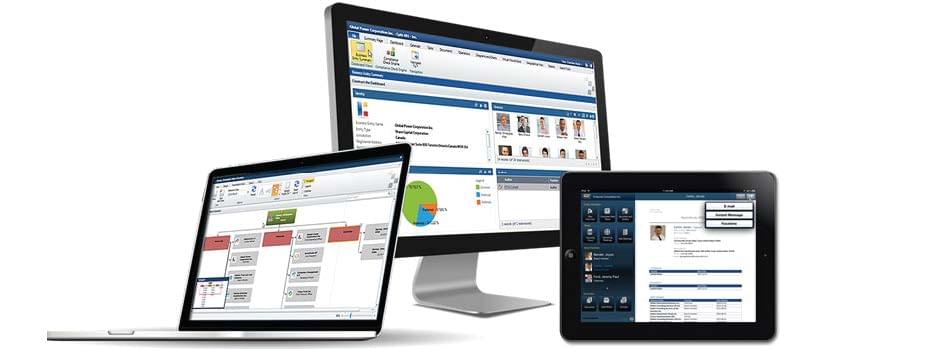
Board Meeting Automation: How Technology is Transforming Corporate Governance
The traditional approach to board meeting management—characterized by manual document preparation, physical distribution of board books, and paper-based voting processes—is rapidly becoming obsolete. In 2026, forward-thinking organizations are embracing comprehensive board meeting automation that transforms governance operations from administrative burden to strategic advantage.
This transformation extends far beyond simple digitization. Modern board meeting automation platforms, exemplified by GlobalBoards as part of the integrated EnGlobe governance ecosystem, are revolutionizing every aspect of board operations through intelligent automation, enhanced security, and seamless collaboration capabilities.
The Evolution of Board Meeting Management
Traditional board meeting processes have long been plagued by inefficiencies that consume valuable time and resources while creating unnecessary risks for organizations.
Legacy Challenges in Board Operations
Organizations relying on traditional approaches face persistent challenges:
- Manual Document Preparation: Hours spent compiling, formatting, and distributing board materials
- Version Control Issues: Multiple document versions creating confusion and potential errors
- Security Vulnerabilities: Physical and email distribution exposing sensitive information
- Limited Collaboration: Restricted ability for board members to interact with materials
- Administrative Overhead: Significant staff time devoted to meeting logistics
- Compliance Risks: Manual processes prone to documentation and audit trail gaps
The Digital Transformation Imperative
The shift to automated board meeting management represents more than operational improvement—it reflects the evolution of corporate governance itself. Modern boards require tools that match the pace and sophistication of contemporary business operations while maintaining the highest standards of security and regulatory compliance.
This transformation is particularly critical as board responsibilities expand to encompass ESG oversight, cybersecurity governance, and strategic planning in an increasingly complex global business environment.
Comprehensive Board Meeting Automation Framework
Effective board meeting automation encompasses the entire governance lifecycle, from initial meeting planning through post-meeting action item tracking and compliance documentation.
Pre-Meeting Automation Capabilities
Modern platforms automate critical pre-meeting activities:
- Intelligent Scheduling: Automated calendar coordination with conflict detection and resolution
- Dynamic Agenda Creation: Template-based agenda generation with regulatory compliance checks
- Automated Document Assembly: Intelligent compilation of board materials from multiple sources
- Distribution Management: Secure, trackable delivery of board books with access controls
- Reminder Systems: Automated notifications and escalation procedures
Real-Time Meeting Support
During board meetings, automation platforms provide:
- Digital Board Books: Interactive materials with annotation and search capabilities
- Electronic Voting: Secure, auditable voting processes with real-time results
- Live Collaboration: Real-time document sharing and collaborative review
- Automated Minutes: AI-assisted minute generation with action item extraction
- Recording and Transcription: Secure meeting recording with searchable transcripts
Post-Meeting Workflow Automation
After meetings conclude, automation continues with:
- Action Item Distribution: Automated assignment and tracking of follow-up tasks
- Resolution Documentation: Automated generation of board resolutions and corporate records
- Compliance Filing: Integration with regulatory filing systems for required submissions
- Stakeholder Communication: Automated distribution of approved communications
- Archive Management: Secure, searchable storage of all meeting materials and decisions
GlobalBoards: Redefining Board Meeting Excellence
GlobalBoards represents the pinnacle of board meeting automation, seamlessly integrated within the EnGlobe governance platform to deliver unparalleled efficiency, security, and user experience for modern boards.
Unified Governance Platform Integration
Unlike standalone board portal solutions that require complex integration with entity management systems, GlobalBoards operates as an integral component of the EnGlobe platform, ensuring:
- Seamless Data Integration: Direct access to entity information, ownership structures, and compliance data
- Unified Security Framework: Single sign-on and consistent security policies across all governance functions
- Comprehensive Audit Trails: Complete activity tracking across entity management and board operations
- Centralized Administration: Single platform for managing all governance technology needs
Advanced Automation Capabilities
GlobalBoards leverages sophisticated automation to transform board operations:
- Intelligent Document Management: AI-powered organization and categorization of board materials
- Automated Compliance Monitoring: Real-time verification of governance requirements and deadlines
- Dynamic Meeting Orchestration: Automated coordination of complex multi-stakeholder meetings
- Predictive Analytics: Data-driven insights into board effectiveness and engagement
Security and Compliance in Automated Governance
Board meeting automation must address the unique security and compliance requirements of corporate governance operations.
Enterprise-Grade Security Framework
Leading automation platforms implement comprehensive security measures:
- End-to-End Encryption: Protection of all board materials in transit and at rest
- Multi-Factor Authentication: Strong identity verification for all board portal access
- Granular Access Controls: Role-based permissions with document-level restrictions
- Device Management: Remote wipe capabilities and device compliance enforcement
- Forensic Audit Capabilities: Comprehensive logging of all system interactions
Regulatory Compliance Automation
Automated compliance features include:
- Fiduciary Duty Documentation: Automated tracking of director responsibilities and decisions
- Conflict of Interest Management: Systematic identification and documentation of potential conflicts
- Retention Policy Enforcement: Automated document retention aligned with regulatory requirements
- Privacy Protection: GDPR and data privacy compliance automation
GlobalBoards maintains SOC 2 Type II certification as part of the EnGlobe platform, ensuring that board meeting automation meets the highest standards of security and operational excellence.
Enhancing Board Member Experience
Successful board meeting automation prioritizes user experience, recognizing that board members require intuitive, efficient tools that enhance rather than complicate their governance responsibilities.
Intuitive User Interface Design
Modern board portals feature:
- Tablet-Optimized Interface: Touch-friendly navigation designed for board room environments
- Offline Capabilities: Full functionality without internet connectivity
- Customizable Dashboards: Personalized views aligned with individual director roles
- Advanced Search: Intelligent search across all board materials and historical records
- Annotation and Collaboration: Rich markup tools with secure sharing capabilities
Mobile-First Accessibility
Recognition that board members require flexible access drives mobile-optimized features:
- Native mobile applications for iOS and Android
- Synchronized access across multiple devices
- Push notifications for urgent board communications
- Biometric authentication for secure mobile access
Measuring the Impact of Board Meeting Automation
Organizations implementing comprehensive board meeting automation report significant measurable benefits across operational efficiency, risk mitigation, and strategic effectiveness.
Quantifiable Efficiency Gains
Typical improvements include:
- Administrative Time Reduction: 60-80% decrease in meeting preparation time
- Document Distribution Efficiency: Elimination of printing and shipping costs
- Meeting Duration Optimization: 25-40% reduction in meeting time through improved preparation
- Response Time Improvement: Faster decision-making through streamlined processes
Risk Mitigation Benefits
Automation reduces governance risks through:
- Enhanced Security: Elimination of document loss and unauthorized access risks
- Improved Compliance: Automated tracking and documentation of governance requirements
- Audit Trail Integrity: Comprehensive, tamper-proof records of all board activities
- Disaster Recovery: Secure cloud-based storage protecting against data loss
Strategic Value Creation
Beyond operational improvements, automation enables:
- Enhanced Director Engagement: Better prepared directors contributing more effectively
- Strategic Focus: Reduced administrative burden allowing focus on strategic issues
- Data-Driven Insights: Analytics supporting better governance decisions
- Stakeholder Confidence: Demonstrated commitment to modern governance practices
Implementation Strategy for Board Meeting Automation
Successfully implementing board meeting automation requires careful planning, stakeholder engagement, and phased deployment to ensure adoption and effectiveness.
Assessment and Planning Phase
Initial implementation steps include:
- Current State Analysis: Comprehensive review of existing board meeting processes
- Stakeholder Requirements: Detailed consultation with board members and governance staff
- Security Assessment: Evaluation of security requirements and compliance obligations
- Integration Planning: Analysis of connections with existing governance systems
- Change Management Strategy: Development of user adoption and training plans
Pilot Program Deployment
Effective implementations typically begin with:
- Committee-Level Pilots: Initial deployment with smaller governance groups
- Feature Phasing: Gradual introduction of automation capabilities
- User Feedback Integration: Continuous refinement based on user experience
- Performance Monitoring: Measurement of adoption and effectiveness metrics
Full-Scale Deployment
Successful rollout includes:
- Comprehensive board member training and support
- Migration of historical governance records
- Integration with existing corporate systems
- Establishment of ongoing support and maintenance procedures
The Future of Automated Board Governance
As artificial intelligence and machine learning technologies continue to advance, board meeting automation will evolve to provide even more sophisticated capabilities and insights.
Emerging Automation Technologies
Future developments will include:
- Predictive Analytics: AI-powered prediction of governance risks and opportunities
- Natural Language Processing: Automated analysis of board materials and regulatory documents
- Voice Integration: Voice-activated board portal navigation and interaction
- Blockchain Verification: Immutable record-keeping for critical governance decisions
Advanced Decision Support
Next-generation platforms will provide:
- Real-time regulatory impact analysis for board decisions
- Automated generation of governance recommendations
- Predictive modeling for strategic planning support
- Integrated ESG reporting and monitoring capabilities
Global Considerations for Board Meeting Automation
Multinational organizations require board meeting automation platforms that accommodate diverse regulatory environments and cultural considerations.
Multi-Jurisdiction Compliance
Global platforms must provide:
- Localized Compliance Features: Jurisdiction-specific governance requirements and templates
- Multi-Language Support: Native language capabilities for diverse board compositions
- Time Zone Management: Intelligent scheduling across global time zones
- Regional Data Residency: Compliance with local data sovereignty requirements
GlobalBoards addresses these global requirements through comprehensive multi-language support (English, French, Spanish, German, Japanese, and Arabic) and jurisdiction-aware compliance features integrated within the EnGlobe platform.
Cultural Adaptation
Successful global implementation requires:
- Customizable interfaces reflecting local governance practices
- Flexible workflow configurations accommodating regional differences
- Culturally appropriate communication and notification styles
- Local support and training resources
Cost-Benefit Analysis of Board Meeting Automation
Understanding the financial impact of board meeting automation helps organizations make informed investment decisions and measure return on investment.
Direct Cost Savings
Quantifiable savings include:
- Printing and Distribution Costs: Elimination of physical board book production
- Administrative Labor: Reduction in meeting preparation and coordination time
- Travel and Logistics: Enhanced virtual meeting capabilities reducing travel needs
- Storage and Archive Costs: Digital storage replacing physical document management
Risk Mitigation Value
Indirect benefits include:
- Compliance Risk Reduction: Lower probability of governance violations and penalties
- Security Incident Prevention: Reduced risk of document loss or unauthorized access
- Reputation Protection: Enhanced governance practices supporting stakeholder confidence
- Insurance Premium Benefits: Potential reductions in governance-related insurance costs
Strategic Value Creation
Long-term value includes:
- Enhanced director effectiveness and engagement
- Improved strategic decision-making through better preparation
- Increased organizational agility and responsiveness
- Competitive advantage through superior governance practices
Integration with Enterprise Systems
Board meeting automation platforms must integrate seamlessly with existing enterprise systems to maximize value and efficiency.
Financial System Integration
Critical integrations include:
- ERP Systems: Real-time financial data for board reporting
- Accounting Platforms: Automated financial statement distribution
- Budget Management: Integration with planning and forecasting systems
- Audit Systems: Seamless sharing of governance information with auditors
Communication Platform Integration
Modern boards require integration with:
- Email systems for automated communication and notifications
- Video conferencing platforms for hybrid meeting capabilities
- Calendar systems for scheduling and coordination
- Messaging platforms for urgent board communications
The Unified Platform Advantage
Platforms like GlobalBoards, integrated within EnGlobe, eliminate many integration challenges by providing comprehensive governance functionality within a single system. This approach reduces:
- Integration complexity and maintenance overhead
- Security vulnerabilities from multiple system interfaces
- Data synchronization issues and inconsistencies
- User training requirements across multiple platforms
Best Practices for Board Meeting Automation
Maximizing the value of board meeting automation requires adherence to proven best practices and continuous optimization of governance processes.
Governance Framework Optimization
Effective automation aligns with:
- Clear Governance Policies: Well-defined processes that automation can enhance
- Role-Based Access: Appropriate permissions aligned with governance responsibilities
- Document Standards: Consistent formats and templates for automated processing
- Communication Protocols: Clear guidelines for board portal usage and interaction
User Adoption Strategies
Successful implementation requires:
- Executive Sponsorship: Board chair and CEO support for automation initiatives
- Comprehensive Training: Thorough education on platform capabilities and benefits
- Gradual Rollout: Phased implementation allowing adjustment and optimization
- Ongoing Support: Continuous assistance and feedback incorporation
Continuous Improvement
Long-term success requires:
- Regular assessment of automation effectiveness and user satisfaction
- Incorporation of new features and capabilities as they become available
- Optimization of workflows based on usage patterns and feedback
- Benchmarking against industry best practices and emerging trends
Vendor Selection and Evaluation
Choosing the right board meeting automation platform requires careful evaluation of capabilities, security, integration, and long-term viability.
Critical Evaluation Criteria
Organizations should assess:
- Platform Integration: Unified governance capabilities versus point solutions
- Security Certification: SOC 2 Type II and other relevant certifications
- Global Capabilities: Multi-language and multi-jurisdiction support
- User Experience: Intuitive interfaces optimized for board member needs
- Automation Sophistication: Advanced workflow and AI capabilities
- Vendor Stability: Financial strength and long-term platform commitment
Reference and Pilot Evaluation
Thorough evaluation should include:
- Detailed reference checks with similar organizations
- Hands-on pilot testing with actual board members
- Security and compliance audit reviews
- Integration testing with existing systems
- Total cost of ownership analysis
Conclusion: The Imperative for Board Meeting Automation
Board meeting automation has evolved from a luxury enhancement to an essential requirement for effective corporate governance. Organizations that continue to rely on manual, paper-based processes face increasing risks while missing opportunities to enhance the strategic value of their board operations.
The sophistication available in platforms like GlobalBoards, seamlessly integrated within comprehensive governance systems like EnGlobe, demonstrates the maturity of board meeting automation technology. These unified platforms eliminate the complexity and risks associated with point solutions while providing enterprise-grade security, comprehensive functionality, and intuitive user experiences.
The benefits of board meeting automation extend far beyond operational efficiency. Enhanced security, improved compliance, better director engagement, and strategic focus represent transformational value that strengthens the entire governance function. Organizations that embrace comprehensive automation position themselves for success in an increasingly complex and demanding governance environment.
The decision facing Corporate Secretaries and governance professionals is not whether to implement board meeting automation, but how quickly they can deploy the integrated platforms that will enable their boards to operate with maximum effectiveness and security. The transformation of corporate governance through technology is not a future possibility—it is today's imperative for organizational excellence and competitive advantage.
As governance responsibilities continue to expand and stakeholder expectations increase, board meeting automation provides the foundation for sustainable governance excellence. The organizations that invest in comprehensive, integrated platforms today will be best positioned to meet the governance challenges of tomorrow while maximizing the strategic value of their board operations.

To learn more about Corporatek’s Global Entity Management and Corporate Governance Software Systems, you can
 Contact Us
 Download a Facts e-Booklet
 Request a Demo